Understanding Weekend Trips Across United States Coastal Landscapes
The United States maintains hundreds of historic and active aids to navigation along Atlantic cliffs, Pacific headlands, Gulf sandbars, and Great Lakes shoals, each embedded in a wider story of maritime trade, storm warning, and community survival. Educational travelers researching weekend trips and short coastal itinerary design benefit from treating each visit as a geography and heritage lesson where tower design, lens technology, shoreline erosion, and seasonal weather windows shape how safely and meaningfully a site can be experienced.
Lighthouse-oriented travel differs from generic beach tourism in pacing, tidal awareness, and dependence on fog, wind, and maintenance schedules along Door County loops, Oregon weekend segments, and Chesapeake Bay hops. Coastal access responds to storm surges, nesting closures, ferry cancellations, and holiday weekend congestion in ways no fixed itinerary can guarantee. Educational preparation emphasizes reading official stewardship alerts, understanding Coast Guard operational boundaries, and verifying current access conditions through authoritative agency and nonprofit websites rather than outdated social media posts alone.
This guide presents general educational information about lighthouse and coastal heritage travel across the United States. It does not constitute personalized routing advice, unobstructed-view guarantees, tour booking outcomes, legal counsel, or safety results. Always verify closures, tide conditions, permit rules, and emergency procedures through official land managers, licensed operators, and local emergency services before departure.
How Weekend Trips Fit Into U.S. Maritime Heritage and Public Access Systems
Federal agencies including the U.S. Coast Guard, National Park Service, Bureau of Land Management, and U.S. Fish and Wildlife Service influence or administer coastal properties with distinct maintenance mandates, security policies, and interpretive programs. State park systems, lighthouse preservation nonprofits, and local historical societies publish hours, fee schedules, and tower-climb restrictions that may affect when and where visits are practical. Understanding which entity stewards your destination clarifies where to find closure maps, accessibility details, and seasonal opening dates.
Regional maritime museums, lifesaving station restorations, and tribal nations steward additional sites where lodging proximity, backup indoor museums, and storm-day alternates illustrate navigation history and community memory on self-paced visits. These properties may require timed reservations, height or footwear rules, or cultural protocols that differ from adjacent public beaches. Educational travelers read visitor compacts and on-site signage before assuming uniform rules across connecting corridors.
Coastal character along a lighthouse route arises from geology, maritime traffic patterns, weather, and respectful visitor habits rather than marketing slogans alone. A site promoted for dramatic views may offer limited visibility if fog, wildfire smoke, or spring storm cycles shift conditions elsewhere. Educational planners compare travel dates against published maintenance calendars, stewardship newsletters, and recent field reports while accepting natural and operational variability.
- Download official visitor PDFs, tide tables, and nonprofit stewardship bulletins before departure.
- Identify whether your route crosses private waterfront where public access is limited or fee-based.
- Confirm whether tower climbs, boat landings, or museum entry require advance reservations.
- Check whether nesting closures, high surf, or facility repairs temporarily limit shoreline access.
Regional Context for Weekend Trips on American Shorelines
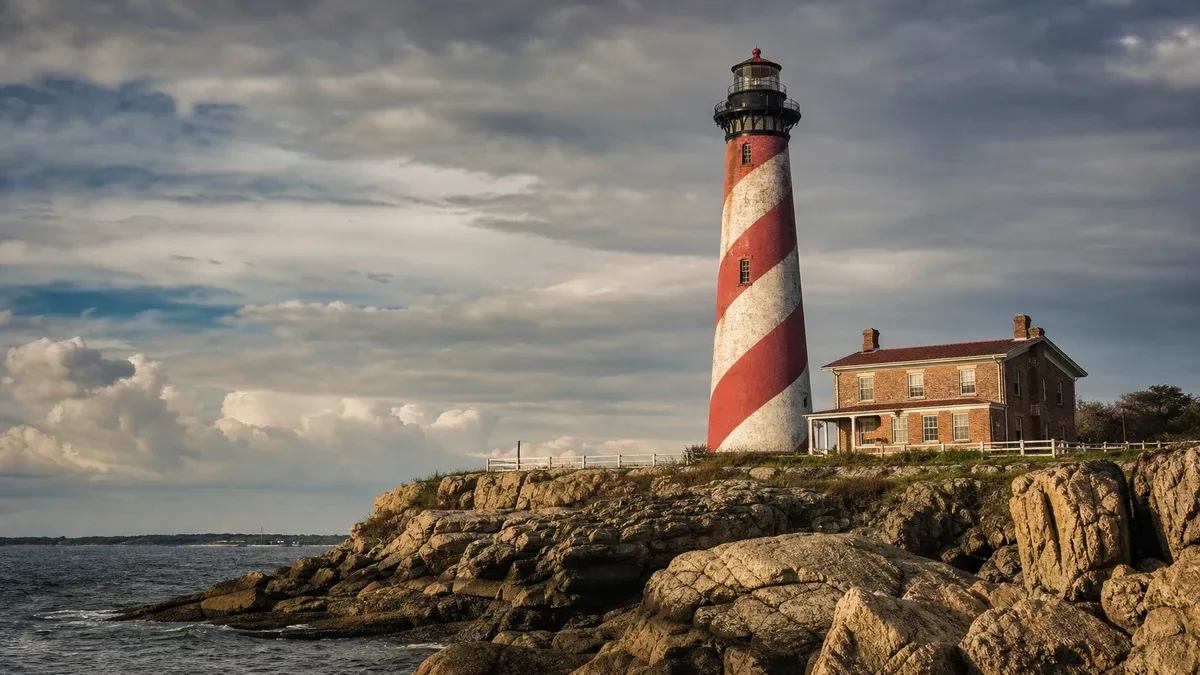
Northeast granite headlands and island chains stack fog frequency, nor'easter exposure, and dense harbor history within short driving distances, allowing travelers studying weekend trips and short coastal itinerary design to compare tower styles and keeper-era architecture across maritime provinces in a single multi-day itinerary. Visitors observe how glaciation, whaling economies, and modern ferry networks influence current access patterns and interpretive themes.
Mid-Atlantic and southeastern barrier islands provide dune ecosystems, inlet dynamics, and hurricane recovery narratives that contrast with rocky northern coastlines. Routes through Door County loops, Oregon weekend segments, and Chesapeake Bay hops illustrate how humidity, tidal range, and bridge schedules affect stopping opportunities and photography light quality throughout the day.
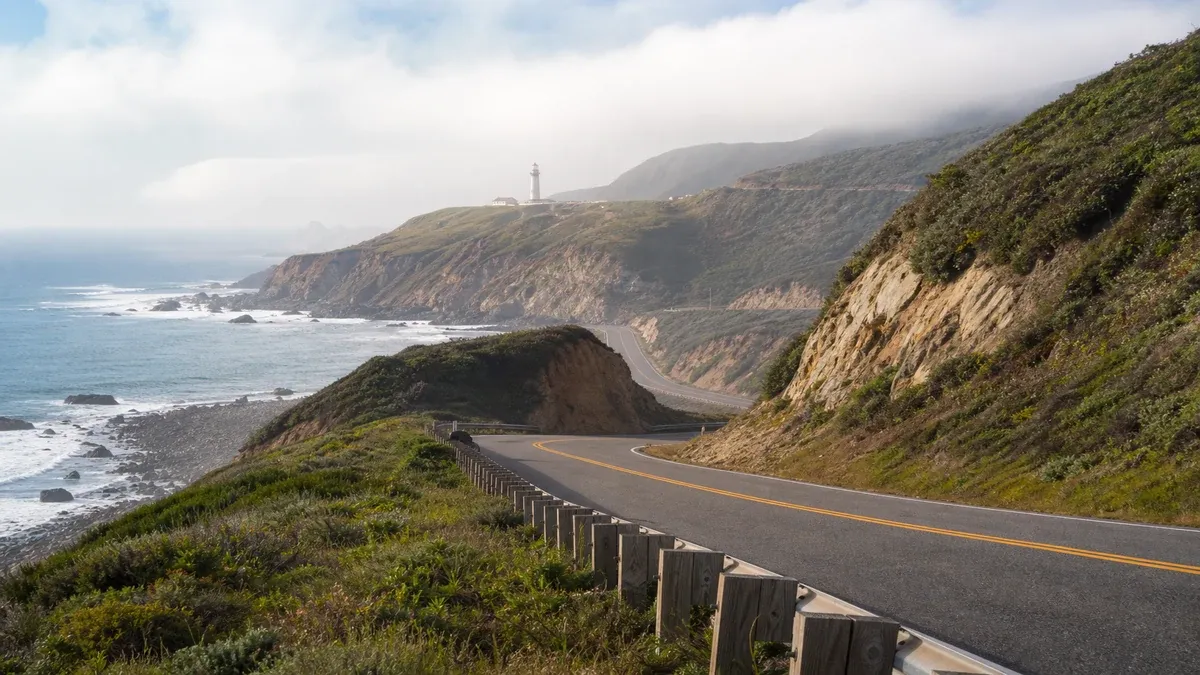
Pacific and Great Lakes shorelines introduce cliff stability concerns, lake-effect storms, and long seasonal closure windows on remote segments. Gulf and southern Atlantic hurricane seasons may reshape beaches and access roads, reminding educational travelers that coastal infrastructure is dynamic rather than a static backdrop.
Reading the Coastline from Overlooks, Harbors, and Shore Trails
Nautical charts, topographic maps, and agency site descriptions help anticipate when weekend trips themes will dominate a visit versus when weather or maintenance limits access. Riparian and intertidal segments concentrate bird activity during migration windows; exposed headlands may offer panoramic views but also crosswind and lightning risk during afternoon storms.
Disturbance history—including seawall repairs, dune restoration plantings, and tower relamping projects—shapes current visitor conditions that interpretive panels and stewardship bulletins explain. None of this background substitutes for on-site surf advisories, rip-current flags, or flash-flood warnings posted at low-lying access points.
- Carry a paper map or offline navigation when cellular coverage fails on remote capes.
- Note mile markers or harbor names to correlate observations with published closure maps later.
- Expect temporary delays when maintenance crews work on towers, walkways, or parking lots.
- Follow docent or ranger instructions when tower climbs pause for weather or structural inspections.
Planning Frameworks for Weekend Trips
Educational trip design starts with clarifying learning goals rather than treating lighthouses as checklist trophies. Some travelers prioritize lodging proximity, backup indoor museums, and storm-day alternates; others focus on architectural comparison, archival research, or pairing museum time with shoreline walks. Listing priorities helps allocate golden-hour stops without assuming unlimited parking at popular overlooks.
Lodging distance, fuel range, and ferry timing affect how early you can reach sunrise viewpoints or last boat departures. Researching these logistics in neutral terms avoids frustration when fog delays, high-water events, or seasonal weight restrictions alter plans. Accessibility needs—including paved trail requirements, ADA parking, and service animal policies—should be confirmed through official visitor centers with documented responses when possible.
Multi-site itineraries require buffer time when a single ferry cancellation, tower closure, or storm surge reshapes the day. Educational materials describe typical disruption categories without predicting specific outcomes. Overnight stays in harbor towns break long driving days into manageable segments and support local economies tied to maritime heritage tourism.
- Photograph reservation confirmations and accessibility correspondence separately from payment card images.
- Pack binoculars, field guides, and a notebook without blocking narrow boardwalk traffic.
- Review footwear requirements before tower climbs or rocky shore approaches.
- Carry water and sun protection even on short coastal loops; reflected UV off water adds quickly.
Balancing Budget, Time, and Coastal Priorities
Free public overlooks and fee-based tower climbs both offer strong educational value; tradeoffs involve crowd levels, interpretive staffing, and reservation systems rather than inherent scenic quality. Shoulder seasons may reduce lodging costs while increasing weather uncertainty.
Regional long weekends can sample elements of weekend trips and short coastal itinerary design without cross-country flights. Comparing driving mileage against guided boat fees highlights time and fatigue tradeoffs educational planners discuss without asserting one mode is universally superior.
On-Site Experience and Interpretation Related to Weekend Trips
Visitor center films, keeper-dwelling tours, and volunteer docent programs provide structured vocabulary for optics, navigation, and community history along coastlines. Program availability varies by season and staffing; absence of a scheduled talk does not indicate a deficient destination. Many travelers prepare self-guided study using maritime archive publications and museum collection databases.
Slow exploration with intentional pauses at harbor promenades often yields better learning than racing between famous photo spots. Sitting at a breakwater edge to read wave patterns teaches patience and helps distinguish natural sounds from harbor traffic. Group dynamics at crowded overlooks require sharing space and lowering voices so others can hear interpretive conversations and coastal wildlife cues.
Authorized viewpoints, museum galleries, and tower landings remain valuable for weekend trips, yet crowding at iconic sites can require rotation and short visiting windows. Educational travelers accept that equitable access and structural safety matter more than exclusive proximity claims. Glare, sea spray, fog, and smoke affect photography; realistic expectations reduce frustration.
- Scan both near and far field when reading layered landforms from safe observation positions.
- Use polarizing filters and shaded positions to reduce midday glare on water and tower surfaces.
- Ask docents or rangers for general visitation trends when workload permits, without demanding precise predictions.
- Follow posted rules that restrict drones, off-trail approaches, or touching historic lens assemblies.
Seasonal and Environmental Factors Affecting Weekend Trips
Spring nor'easters and Pacific storm cycles may close shore trails while simultaneously opening brief windows of dramatic light for educational photographers. Late-summer heat and wildfire smoke may reduce visibility hundreds of miles from active incidents. Educational planners monitor National Weather Service marine forecasts, tide charts, and air-quality indexes across entire routes, not only departure cities.
Fall migration pulses and winter maintenance closures vary by latitude along Door County loops, Oregon weekend segments, and Chesapeake Bay hops. A single harbor may offer calm morning reflections while adjacent headlands experience gale-force winds. Agencies rarely guarantee spectacle timing; travelers accept natural variability as part of maritime education rather than a service defect.
Hurricane seasons, lake-effect snow, and heat advisories each alter coastal comfort and stopping opportunities. Understanding these patterns supports realistic scheduling without dramatizing low-probability events.
Weather Delays and Traveler Decision Points
Tower closures, ferry suspensions, and high-surf advisories may pause access with little notice. Stewardship organizations communicate updates through official websites, harbor radios, and on-site signage when staffing allows. Educational travelers identify alternate indoor museum options without assuming automatic refunds for third-party bookings.
Travel insurance and medical preparedness decisions belong to individual circumstances; this guide does not recommend specific products or promise reimbursement outcomes.
- Save official agency alert phone numbers and verified social feeds offline before remote capes.
- Allow extra driving time during holiday weekends when harbor towns experience parking congestion.
- Pack layered clothing for rapid temperature changes between sheltered museums and windy headlands.
- Turn back when lightning approaches exposed ridges or when surf exceeds your planned shore access.
Gateway Communities and Access Hubs for Weekend Trips
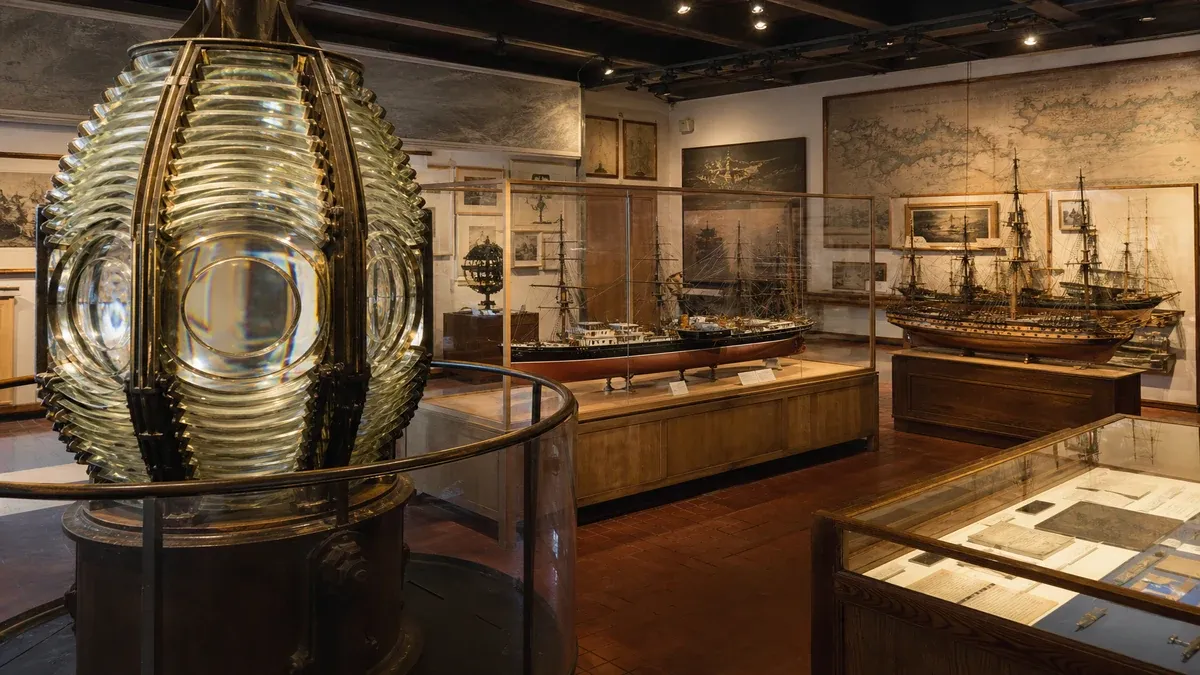
Harbor visitor centers, maritime libraries, and university nautical collections complement field time along Door County loops, Oregon weekend segments, and Chesapeake Bay hops. Scheduling a museum day transforms long transfers into multi-modal educational trips without implying every gateway offers equal resources.
Fuel, groceries, and marine services may be sparse between popular lighthouse sites. Planning resupply stops prevents risky improvisation on remote coastal highways. Smaller trailheads may lack staffed kiosks; travelers must understand pack-in and pack-out expectations on dunes and rocky shores.
Ferry systems and seasonal boat routes reduce private vehicle needs on island light stations while limiting flexibility; reading transit schedules prevents missed connections at remote landings.
Ethics, Safety, and Community Context Around Weekend Trips
Approaching active navigation equipment, crossing closed dunes, or disturbing nesting birds may violate federal or state law and endanger both wildlife and mariners relying on accurate signals. Educational visitors debate minimum distances and tripod placement on crowded overlooks; official site guidelines provide baseline rules that may exceed generic social media trends.
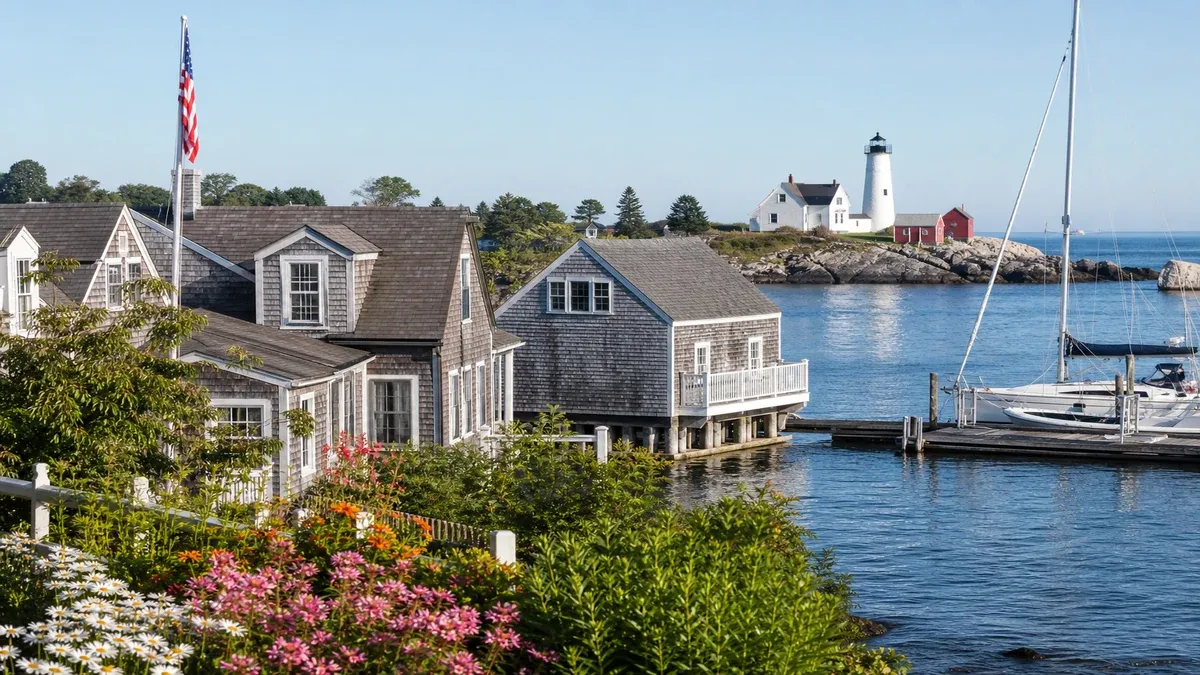
Coastal communities and tribal nations adjacent to famous lighthouse sites experience tourism pressure, housing costs, and harbor noise unlike occasional visitors. Approaching residents and working waterfronts as living places—not scenery—aligns with respectful travel education emphasized throughout this site.
Emergency response times lengthen on remote capes and island sites. Carrying communication tools, sharing itineraries, and knowing when to call 911 for medical or Coast Guard needs supports collective safety without replacing professional rescue planning.
- Report damaged walkways, unstable bluffs, or hazardous debris to site stewards rather than attempting unauthorized repairs.
- Secure food and trash according to local wildlife protocols at picnic areas near coastal trails.
- Yield boardwalk space to mobility devices and families with strollers during peak visitation.
- Follow tribal permit requirements and photography restrictions on sovereign lands near maritime sites.
Integrating Weekend Trips Into Broader Lighthouse Travel Learning
Field journals noting date, weather, tide stage, and architectural features support objective comparison across return visits. Cross-reference observations with lighthouse preservation society reports and peer-reviewed maritime history summaries covering lodging proximity, backup indoor museums, and storm-day alternates for deeper context on stewardship debates.
Public maritime archives, master mariner lecture series, and federal open-data portals provide educational resources beyond tourism marketing. Engaging with these sources builds literacy about erosion control, climate adaptation, and funding mechanisms shaping future coastal heritage work.
Revisiting the same weekend trips and short coastal itinerary design topics across seasons reveals coastal dynamics invisible during a single trip. Educational travelers may prioritize depth and repeatability over checklist completion, accepting that the sea teaches patience alongside wonder.
Questions to Ask Official Sources Before Departure
Site stewards and museum staff can clarify tower climb schedules, ferry availability, and accessible route conditions when rules change seasonally. Written or recorded answers reduce misunderstandings when multiple staff interpret policy differently.
- Ask whether nesting closures or storm recovery work will affect your planned routes and shore access.
- Confirm whether boat landings or timed tower entry require reservations on your travel dates.
- Request accessibility details if stairs, gravel spurs, or narrow catwalks appear on proposed visits.
- Verify whether high-surf advisories prohibit shore approaches below specific bluff trails.